
Calling a plumber for the first time can feel like stepping into the unknown. You want someone reliable, and you want to understand what you are actually paying for. The good news: a professional plumbing service call follows a pretty predictable process. Once you know what each stage looks like, you can prepare better, ask smarter questions, and avoid getting caught off guard by anything on the invoice.
How the Booking Process Works
The moment you call or book online, the clock starts and so does the information exchange. A good plumbing company will ask a few specific questions upfront: What is the problem? How long has it been happening? Is there active water damage or flooding?
Do not worry about giving a perfect technical diagnosis. Just describe what you are seeing: a slow drain, a dripping pipe under the sink, low water pressure in every tap. The more detail you give, the better equipped the plumber arrives.
If you are dealing with something urgent, say so immediately. Companies offering same-day or emergency service will prioritize your call accordingly. Most reputable plumbers will give you an estimated arrival window right on that first call, usually a one to two hour range.
A few things to have ready before you hang up:
- Your address and any access details like gate codes or unit numbers
- The location of your main water shutoff in case you need it before they arrive
- A short video of the problem if you can get one — some companies can give a rough estimate before they even show up
What Happens in the First 10 Minutes of Their Arrival
A professional plumber does not walk in and start tearing things apart. The first thing they do is assess — quickly, but thoroughly. Expect a few follow-up questions, a look at the problem area, and a check of adjacent systems that could be connected.
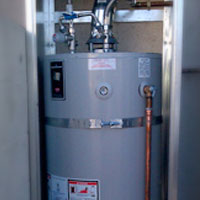
For example, if you report a slow drain in your kitchen, a good plumber will likely check the bathroom on the same line. If your water heater is underperforming, they will test the pressure and temperature before assuming the unit needs replacing.
This diagnostic phase usually takes 10 to 20 minutes depending on complexity. During this time, the plumber is building a picture of what is actually wrong, not just what is visibly wrong. That distinction matters a lot in older homes where one symptom often hides a second problem
underneath.
You should feel comfortable asking questions during this stage. A good plumber will explain what they are looking at and why. If they seem annoyed by your questions or rush straight to a quote without explaining anything, that is a red flag worth noting.
The Quote: What the Numbers Actually Mean
Once the diagnosis is done, you will receive a quote — ideally in writing, even if it is just a digital form on a tablet. Professional plumbers typically use one of two pricing methods.
Flat-Rate Pricing
You pay a fixed amount for a specific job regardless of how long it takes. Replacing a toilet wax ring, for example, might be quoted as a single set price. This is predictable and common for straightforward repairs.
Time-and-Materials Pricing
You pay for labor by the hour plus the cost of any parts. This is more common for complex jobs where the full scope is not clear upfront.
Before you approve anything, ask:
- What is included? Does the quote cover cleanup and haul-away of old parts?
- What happens if they open a wall and find something unexpected? Get this answered upfront.
- Does the service call fee apply toward the repair? Most reputable plumbers credit it; some do not.
If you are booking an after-hours emergency call, expect a premium above standard rates. That is normal for around-the-clock availability — just confirm the surcharge before you approve the work.
The Repair Itself: Timeline, Access, and What Gets Disrupted
Most standard plumbing repairs — a leaking faucet, a clogged drain, a running toilet — take between 30 minutes and two hours. Bigger jobs like water heater replacements or pipe rerouting can run a full day or span multiple visits. V-Max Plumbing’s residential plumbing services cover everything from small fixture repairs to full repipes, so the scope of what gets done in one visit really does depend on what they find.
A few things that typically get disrupted during a service call:
- Water supply: The plumber will shut off water to the affected area or the whole home for part of the job.
- Access panels or drywall: Some repairs require opening walls. Ask upfront if that is likely and who handles patching.
- Hot water availability: If they are working on your water heater or main lines, you may be without hot water for a few hours.
A professional will protect your floors and surfaces. Drop cloths near the work area are standard practice. If someone shows up and starts working on your tile floor without any protective measures, that is worth speaking up about.
Stay available during the repair but out of the way. If the plumber discovers something unexpected — a corroded pipe section, a water valve that has not turned in 20 years — they will stop and explain the situation before proceeding. That mid-job conversation is normal and necessary, not a sales tactic.
The Walk-Through, Invoice, and What Good Plumbers Do After the Job
Once the repair is done, a professional plumber will walk you through what they did. Not just hand you an invoice and leave — they will show you the repair, explain what caused the problem, and point out anything else they noticed that you should watch.
This is the moment to ask:
- Will this happen again?
- What caused it in the first place?
- Is there anything I should do differently going forward?
The invoice should itemize labor and parts separately. You should see the number of hours worked, a description of parts used, and the total. If something on the invoice does not match what you were quoted, ask about it before paying.
Most reputable plumbers offer a warranty on their work — typically 30 days to one year on labor, plus whatever the manufacturer covers on parts. Get that warranty in writing before the plumber leaves, even if it is just an email confirmation.
Three Signs You Hired the Right Plumber (and Two Red Flags to Watch)
After the job wraps, it is worth reflecting on how it went. Not every plumber operates at the same standard.
Signs You Hired Well
- They explained the problem clearly before quoting, not just handed you a number
- The final invoice matched or came in under the original quote
- They cleaned up after themselves and pointed out things to watch without pushing unnecessary upsells
Red Flags Worth Remembering
- Vague pricing on the phone. Refusing to give even a ballpark for standard jobs is unusual and worth noting.
- Pressure to approve major additional work on the spot. A cracked pipe discovered mid-job is a legitimate finding. A full home repipe recommendation with pressure to sign off immediately is worth a second opinion.
One more step worth taking before you hire anyone: verify the plumber’s license through the California Contractors State License Board (CSLB). It takes about 30 seconds and confirms the contractor is licensed, bonded, and has no outstanding disciplinary actions. It is a simple check that protects you.
The best plumbers — whether you are searching for a plumber near me in Seal Beach, a same-day option in Torrance, or emergency coverage in Bellflower — operate with the same standard: clear communication, honest pricing, and work they stand behind. That is the baseline. Anything less and you are entitled to ask harder questions.
Ready to Schedule? V-Max Plumbing Is Available 24/7
Whether you have a small repair you have been putting off or something that needs attention right now, V-Max Plumbing serves Seal Beach, Torrance, Bellflower, and the surrounding South Bay with licensed, experienced technicians who show up when they say they will and explain everything before they start.
No hidden fees. No pressure. Just honest plumbing service from a team that has been doing this in Southern California for years.
Call us now at (562) 850-3337 or (310) 614-3579 — or schedule your appointment here and we will get someone out to you fast.
Frequently Asked Questions
How long does a typical plumbing service call take?
Most standard repairs take one to three hours from arrival to cleanup. Complex jobs like water heater replacements or drain line repairs can take a full day or require a follow-up visit.
Do I need to be home during the plumbing service call?
Yes. For most jobs the plumber needs access to multiple areas of your home and may need your approval if something unexpected comes up. Having someone present also protects you.
What is the difference between a same-day plumber and an emergency plumber?
Same-day service means they will fit you in within the current business day — it is urgent but not a crisis. Emergency plumbers respond around the clock, including nights and weekends, and typically charge a higher rate for after-hours availability.