Most homeowners don’t think about their plumbing until something goes wrong. And by then, water is already spreading across the floor. If you’ve ever searched for a plumber near me in Seal Beach at 11pm with a burst pipe, you know exactly how stressful that moment feels. Understanding your plumbing system before an emergency happens puts you in a much stronger position. This guide breaks down how your system works, what warning signs to watch for, and when you genuinely need someone on the phone.
How Your Home Plumbing System Actually Works
Your home has two separate plumbing systems running at all times. One brings fresh water in and the other takes wastewater out. They never overlap, and keeping them that way is the whole point of a properly functioning plumbing system.
The supply system delivers pressurized water from the municipal main, or a private well, to every tap, toilet, shower, and appliance in your home. Pressure typically runs between 40 and 80 PSI. Above 80 PSI, pipes and fittings start taking damage over time.
The drain-waste-vent system, commonly called the DWV system, relies on gravity rather than pressure. Waste flows downhill through a network of sloped pipes toward the sewer or septic tank. Vent pipes run up through your roof to let air in, which keeps water moving smoothly and prevents sewer gases from backing up into your living space.
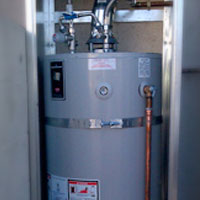
There are three things every homeowner should be able to locate right now. First, the main shutoff valve, usually near the water meter or where the main line enters the house. Know where this is before you need it. Second, the water heater, which has its own cold-water inlet, hot-water outlet, and a pressure-relief valve you should test annually. Third, the branch shutoff valves under sinks and behind toilets that let you isolate one fixture without cutting water to the whole house.
Spending five minutes locating those three things today could save you thousands of dollars in water damage tomorrow.
Six Warning Signs Your Pipes Are Trying to Tell You Something
Plumbing problems rarely appear from nowhere. They build slowly and leave clues most homeowners miss until a minor issue turns into a major repair.
Low water pressure at multiple fixtures is a sign worth paying attention to. A single slow tap usually means a blocked aerator. Pressure drops throughout the whole house often signal a leak in the main line or heavy sediment buildup in older pipes.
Discolored water is another one. Brown or rust-colored water points to corroding pipes or a failing water heater. Yellow water suggests sediment. Either way, stop drinking it and get an inspection.
Slow drains in more than one room usually mean trouble beyond a simple clog. One slow drain is a localized blockage. Two or three slow drains at once typically point to a partial blockage deeper in the main drain line.
Gurgling sounds after flushing are your DWV system losing air pressure. A blocked or improperly sized vent pipe is the most common cause. It’s easy to ignore, but it usually gets worse.
Unexplained spikes in your water bill deserve a closer look. A running toilet wastes up to 200 gallons a day. A small pinhole leak inside a wall can waste far more. If your bill jumps without an obvious reason, call a plumber before the next billing cycle.
Warm spots on the floor or damp patches on walls are classic signs of a slab leak or a burst pipe inside the wall. Don’t wait on these. Water damage compounds quickly once it starts.
Catching two or three of these signs at the same time is your cue to move from watching to acting.
What Qualifies as a Plumbing Emergency and What Can Wait
Not every plumbing problem needs a same-day call. Knowing the difference saves you money on after-hours rates and keeps you from panicking over something that’s actually manageable.
You should call an emergency plumber immediately for a burst pipe that’s actively releasing water, sewage backing up into tubs or floor drains, no hot water in winter with a gas water heater since that can indicate a gas issue, water near electrical panels or outlets, or a main line blockage that has shut down all drainage.
These situations can typically wait until the next business day: a single dripping tap, a slow drain in one fixture, a running toilet where you can shut off the water at the base, or reduced pressure at just one tap.
The rule of thumb is straightforward. If water is actively spreading, electricity is near water, or sewage is involved, treat it as an emergency. A reputable plumber will always be honest about whether a problem needs immediate attention or can wait. A trustworthy company won’t manufacture urgency to charge emergency rates.
When in doubt, shut off the nearest isolation valve, contain any standing water with towels, and make the call. Acting quickly on a real emergency limits damage. Waiting on a false one just means a slightly longer sleep.
Simple Maintenance Habits That Add Years to Your Plumbing
Most plumbing failures are not random. They’re the result of years of small problems going unchecked. A basic maintenance routine costs almost nothing and prevents the kind of repairs that run into the thousands.
There are a few things worth doing every month. Run water through infrequently used drains like guest bathrooms and utility sinks to keep P-traps from drying out and letting sewer gas in. Check under sink cabinets for moisture, staining, or any sign of a slow drip. Test whether your toilet is running silently by adding a few drops of food coloring to the tank. If color appears in the bowl within 15 minutes without flushing, the flapper needs replacing.
On an annual basis, flush your water heater to remove sediment. A sediment-heavy tank works harder, costs more to run, and fails sooner. Test the pressure-relief valve on your water heater while you’re at it. Inspect exposed pipes in the garage or crawl space for early signs of corrosion or joint leaks. Clean showerhead aerators by soaking them in white vinegar overnight.
If your home is more than 30 years old and still has original galvanized steel pipes, budget for a professional assessment. Galvanized pipe corrodes from the inside out. By the time you see external rust, the interior is often heavily restricted or close to failure.
How to Choose the Right Plumber Without Getting Burned
Plumbing is one of those trades where the gap between a good contractor and a bad one is enormous, in quality, price, and honesty. Here’s how to find someone you can actually trust.
Start with non-negotiable credentials. Verify a valid California state plumbing license. You can check any contractor’s license status in about 30 seconds through the California Contractors State License Board (CSLB). Also confirm they carry general liability insurance and workers’ compensation coverage, and that they have a physical business address, not just a phone number.
Before you book, ask a few direct questions. Do they charge a flat rate or hourly? Flat-rate pricing makes costs predictable. Is there a diagnostic or call-out fee, and does it apply toward the repair if you move forward? What warranty do they offer on parts and labor?
Read recent reviews on Google, not just the company website. Look specifically for mentions of honest diagnosis, clear pricing, and whether the plumber showed up on time. A company with 200 reviews averaging 4.7 stars is a much safer bet than one with 12 reviews all posted within the same month.
Price matters, but the cheapest quote on a slab leak or main line replacement often becomes the most expensive job when the work needs redoing. Aim for fair and qualified, not just cheap.
V-Max Plumbing serves Seal Beach and Torrance with licensed technicians available seven days a week. Whether you need a same-day inspection or urgent help with a plumbing emergency, we’re ready to take your call. Reach our Seal Beach office at (562) 850-3337 or our Torrance office at (310) 614-3579.
Frequently Asked Questions
How do I find a reliable plumber near me in Seal Beach quickly?
Search Google for plumbers with at least 50 verified reviews and a 4.5-star average or higher. Confirm their California CSLB license number before booking. It takes about 30 seconds to verify online and immediately filters out unlicensed operators.
What should I do while waiting for an emergency plumber to arrive in Seal Beach?
Shut off the nearest isolation valve, or turn off the main supply if you can’t isolate the problem. Place towels or buckets to contain water, move valuables away from the affected area, and avoid using any drains or toilets connected to a blocked line.
Is a 24/7 plumber in Torrance more expensive than a regular call?
After-hours and weekend rates are typically 25 to 50 percent higher than standard daytime pricing. Always ask for a quote before work begins. A trustworthy plumber gives you the after-hours rate upfront, not after the job is done.
How do I know if I have a slab leak?
Warm spots on the floor, the sound of running water when all taps are off, unexplained water bill increases, and damp patches near the base of walls are all common signs. A plumber can confirm with a pressure test or electronic leak detection equipment.
Can I use chemical drain cleaners instead of calling a plumber?
Chemical drain cleaners can dissolve minor organic clogs, but they also corrode older pipes over repeated use and do nothing for solid blockages or root intrusion. If a drain is still slow after two treatments, stop adding chemicals and call a professional.
How often should a water heater be replaced?
Most tank water heaters last 8 to 12 years. If yours is over 10 years old and showing signs like rust-colored water, rumbling sounds, or inconsistent temperatures, replacement is usually more cost-effective than continued repairs.
What’s the difference between a same-day plumber and an emergency plumber in Torrance?
Same-day service means a plumber fits you in within normal business hours on the day you call, with no after-hours premium. Emergency service means a plumber responds outside normal hours, typically with a higher call-out rate. If your issue is not actively causing damage, same-day is the smarter choice financially.