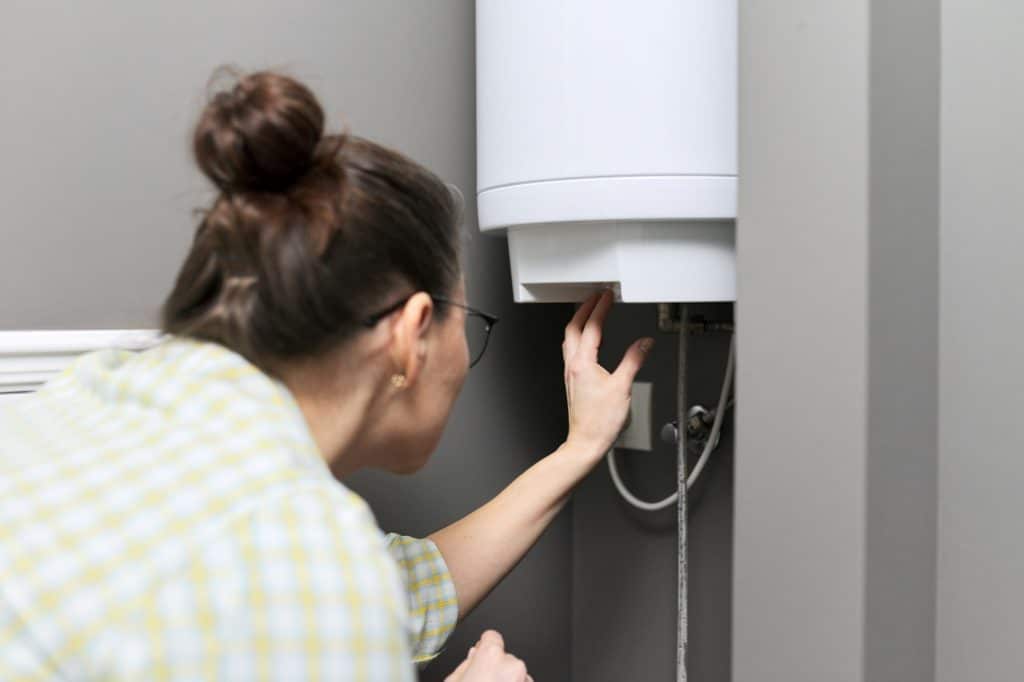
Hard water plumbing damage in Seal Beach CA is one of those slow-moving problems that homeowners don’t notice until a pipe bursts or a water bill doubles overnight. Southern California tap water consistently ranks among the hardest in the country — Orange County water averages 250 to 400 parts per million (ppm) of dissolved minerals, well above the 60 ppm considered ‘soft.’ That mineral load builds up inside your pipes, fixtures, and water heater every single day. If your home sits on a concrete slab — which most Seal Beach properties do — that damage can stay hidden for years before it surfaces as a catastrophic, expensive leak.
V-Max Plumbing has served Seal Beach, Long Beach, and the Orange County coast for over 15 years. Our team is licensed, insured, and local — and we never charge weekend or after-hours surcharges.
The USGS classifies most Southern California water as “hard” to “very hard” — over 180 mg/L of calcium carbonate in many service areas.
What Hard Water Actually Does Inside Your Pipes
Hard water carries high concentrations of calcium and magnesium. When this water heats up or slows down inside your plumbing, those minerals drop out of solution and stick to interior pipe walls as a white, chalky crust called scale.
Over time, scale does two things your wallet hates. First, it narrows the usable diameter of your pipes — a half-inch copper supply line caked with scale can lose 70% of its flow capacity. Second, scale traps moisture against pipe walls, which accelerates corrosion, especially in older galvanized steel pipes common in Seal Beach homes built before the 1980s.
The result is a cascade of problems:
- Reduced water pressure throughout the home
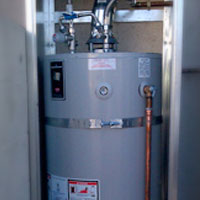
- Appliance failure — water heaters work harder and fail faster
- Pinhole leaks caused by corrosion eating through pipe walls
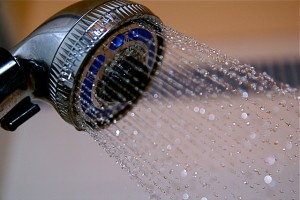
- Fixture damage — aerators clog, showerheads drizzle instead of spray
- Higher energy bills — scale-coated water heater elements use up to 29% more electricity
None of this happens overnight, but it’s happening right now in the average Seal Beach home with untreated supply water.
Why Coastal Seal Beach Homes Face a Double Threat
Living near the Pacific is beautiful. For your plumbing, it’s a two-front war. Coastal pipe corrosion in Seal Beach compounds the mineral damage from hard water with the corrosive effects of salt air and humidity that permeate the environment year-round.
Salt air accelerates oxidation on exposed copper and metal fittings — think outdoor hose bibs, irrigation shutoffs, and any plumbing that runs through exterior walls. Combine that with hard water scale building up on the inside of those same pipes and you get corrosion attacking from both directions simultaneously.
Homes within a mile of the beach — which covers most of Seal Beach — see this problem more acutely than inland properties. The moisture-laden air doesn’t just rust outdoor fixtures; it infiltrates crawl spaces and wall cavities, speeding up the deterioration of supply and drain lines that were installed decades ago.
If your home is older than 30 years and hasn’t had a plumbing inspection recently, the odds are high that scale and corrosion have already reduced your pipe efficiency by at least 30 to 50 percent. That’s not a scare tactic — it’s what plumbers consistently find when they camera-inspect pipes in older coastal Southern California homes.
The Hidden Danger Beneath Your Floor: Slab Leaks
Most Seal Beach homes sit on a concrete slab foundation with copper water lines running directly through or under it. Hard water scale, combined with the slight movement all slabs experience, creates the perfect conditions for pinhole leaks to develop in those buried pipes.
These are called slab leaks, and they’re notoriously hard to detect without professional equipment. The water escapes slowly at first, seeping into the concrete or soil beneath your home. By the time you notice a warm spot on the tile, a mysteriously high water bill, or a faint sound of running water when everything is off — the leak has often been going there for months.
Signs that warrant immediate slab leak detection in Seal Beach CA:
- Water bill spikes $30 or more with no change in usage habits
- Warm or hot spots on the floor, especially on tile or hardwood
- Cracks appearing in your baseboards or flooring
- Musty smell near floors or in cabinets against exterior walls
- Your water meter dial moves when all fixtures are off
Slab leak repairs range from $500 for a simple access-and-patch job to $15,000 or more for full rerouting. Catching it early cuts that cost dramatically. A licensed plumber can use acoustic listening devices and thermal imaging to pinpoint leaks without tearing up your floor.
How to Tell Hard Water Is Already Damaging Your Home
You don’t need a water test kit to spot early warning signs — though getting one is smart. Hard water leaves a trail of visible clues throughout a home.
Check these spots first:
- Showerheads and faucet aerators: White, crusty buildup that won’t wipe off easily means scale is forming inside your supply lines too.
- Glass shower doors: Stubborn cloudy film that survives regular cleaning is calcium and magnesium residue.
- Water heater age vs. performance: A unit that’s only 6 or 7 years old but heating slowly has likely already accumulated an inch or more of scale on the heating element.
- Laundry: Clothes that feel stiff or look dingy after washing, even with good detergent, are reacting to mineral content in the wash water.
- Low pressure in specific fixtures: If pressure is fine at one sink but poor at another, scale is restricting flow in that branch line.
These aren’t cosmetic annoyances — they’re diagnostic signals. Each one tells you the same story: your pipes are fighting a mineral buildup problem that gets worse every day without intervention.
Practical Solutions That Actually Protect Your Plumbing
The most effective fix for hard water plumbing damage in Seal Beach CA is installing a whole-house water softener. A salt-based ion exchange softener replaces calcium and magnesium ions with sodium, delivering softened water to every fixture and appliance in your home.
Expect to pay $800 to $2,500 for the unit plus installation, depending on home size and water hardness level. That’s a significant upfront cost, but consider that a new water heater runs $1,000 to $1,800 and a slab leak repair can exceed $5,000. The softener pays for itself by extending the lifespan of your pipes and appliances by 10 to 15 years.
If you rent or want a lower-cost starting point, these options help:
- Descaling filters: Template-assisted crystallization (TAC) systems don’t remove minerals but convert them to a form that doesn’t stick to pipes. No salt required.
- Point-of-use filters: Protect your kitchen sink and refrigerator water without treating the whole house.
- Annual water heater flushing: Draining sediment from the tank each year buys significant extra lifespan.
- Professional pipe inspection: A camera inspection gives you a current picture of what’s inside your pipes, so you can make decisions based on real data rather than guesswork.
Talk to a licensed Seal Beach plumber about your specific pipe material and water test results before choosing a treatment system. The right solution depends on both factors.
When to Call a Professional — and What to Ask Them
Some plumbing problems you can monitor. Others need a professional in your home this week. Here’s how to tell the difference.
Call a plumber immediately if you notice:
- Running water sounds when all fixtures are off
- A sudden, unexplained spike in your water bill
- Warm spots on floors in a slab-foundation home
- Water stains appearing on walls without an obvious source
- A drop in pressure across multiple fixtures at once
When you call, ask specifically about pipe leak detection capabilities. A qualified plumber serving the greater South Bay area — including pipe leak detection in Torrance and along the coast — will carry acoustic detection and thermal imaging equipment, not just a flashlight and a wrench.
Ask these questions before booking:
- Do you perform non-invasive leak detection, or does finding the leak require opening walls?
- Can you camera-inspect my supply lines to assess scale buildup?
- Do you have experience with slab leak detection and repair in Seal Beach specifically?
A reputable plumber answers all three confidently. One who hedges or pivots to selling you a service package before answering is a red flag. Get the diagnostic information first, then decide on repairs.
Frequently Asked Questions
How hard is the water in Seal Beach CA?
Seal Beach water typically measures between 250 and 400 ppm of dissolved minerals, which classifies as very hard to extremely hard. For context, the EPA considers anything above 120 ppm ‘hard.’ This level of hardness causes noticeable scale buildup in pipes and appliances within a few years.
Can hard water actually break pipes?
Yes — not suddenly, but definitively over time. Scale narrows pipe interiors and traps corrosive moisture against pipe walls, which leads to pinhole leaks and eventual pipe failure. In coastal areas like Seal Beach, salt air corrosion accelerates this process on exterior and poorly protected indoor pipes.
How do I know if I have a slab leak in my Seal Beach home?
The most common signs are a water bill that rises without explanation, warm spots on your floor, the sound of running water when everything is turned off, and new cracks in baseboards or tiles. A licensed plumber with acoustic detection equipment can confirm a slab leak without demolishing your floor.
Is a water softener worth installing in Seal Beach?
For most homeowners in the area, yes. Given local water hardness levels, a softener pays for its $800 to $2,500 installation cost by extending water heater and appliance life, reducing pipe corrosion, and cutting energy bills. It’s a maintenance investment, not a luxury.
How often should I have my plumbing inspected if I live near the coast?
Every three to five years is a reasonable baseline for coastal Seal Beach homes, or sooner if your home is over 30 years old. Camera inspections catch scale buildup and early corrosion before they become leak emergencies.
Does hard water damage water heaters faster than normal?
Significantly faster. Scale insulates the heating element from the water, forcing the unit to run longer cycles to reach temperature. A water heater in a hard-water home can fail in 6 to 8 years instead of the typical 10 to 12. Annual flushing and a whole-house softener extend that lifespan considerably.
Can a plumber in Torrance handle slab leak detection for a Seal Beach home?
Most South Bay plumbing companies operate across multiple cities, including Seal Beach, Torrance, Long Beach, and surrounding areas. When booking, confirm the company offers non-invasive pipe leak detection with acoustic or thermal imaging equipment, not just visual inspection.
Need a Plumber in Seal Beach?
V-Max Plumbing serves Seal Beach, Long Beach, and the Orange County coast from our Seal Beach office. We show up on time, fix the problem, and stand behind the work. Call (562) 850-3337 or request a free quote online — we’re available 7 days a week with no after-hours surcharges.