If you’ve ever Googled plumber near me Seal Beach at 11pm with water pooling under your sink, you already know how expensive plumbing surprises can be. What makes it worse? A lot of that damage started with bad advice — myths passed down from neighbors, YouTube rabbit holes, or a well-meaning uncle who “did some plumbing once.” Southern California homes have their own quirks: aging infrastructure, hard water, slab foundations, and coastal humidity that accelerates pipe wear. Believing the wrong things about your plumbing doesn’t just delay repairs — it turns a $200 fix into a $4,000 gut job.
V-Max Plumbing has served Seal Beach, Long Beach, and the Orange County coast for over 15 years. Our team is licensed, insured, and local — and we never charge weekend or after-hours surcharges.
Research from the EPA shows that household leaks waste more than 1 trillion gallons of water nationwide every year — the case for fixing small issues fast is a real one.
Myth 1: If Water Is Draining, Your Drain Is Fine
Slow drains are obvious warning signs. But a drain that flows at normal speed? Homeowners assume that means the pipe is clear — and that assumption causes real damage.
Grease, soap scum, and mineral buildup from Southern California’s notoriously hard water cling to pipe walls over time. The drain still works, but the passage narrows. Eventually, one pasta night or a single wet wipe tips it over the edge and you’ve got a full blockage — or worse, a sewage backup into your home.
Professional drain cleaning in Torrance CA and surrounding areas consistently reveals serious buildup in pipes that homeowners swore were problem-free. Hydro-jetting can clear years of accumulation that a basic plunger or store-bought chemical never touches.
- Chemical drain cleaners eat at pipe interiors over time, especially in older homes
- Camera inspections catch root intrusion and buildup before a backup happens
- A once-a-year professional drain cleaning costs far less than emergency plumbing at midnight
If your drains are older than five years and have never been professionally cleaned, schedule a camera inspection. You’ll either get peace of mind or catch a problem early — both are wins.
Myth 2: A Slab Leak Will Always Show Obvious Signs
Most homeowners picture a slab leak as a dramatic flood — cracked floors, water gushing up through tile, the kind of thing you’d notice immediately. That’s rarely how it starts.
Slab leaks often run silently for months. The water migrates slowly through the concrete, sometimes evaporating before it surfaces, sometimes traveling laterally to appear in a completely different room. By the time you see visible damage, the leak may have been running for six months or more.
This is a particular concern in Bellflower and surrounding communities, where older homes sit on post-tension slabs with copper pipes that have been in contact with alkaline Southern California soil for decades. A slab leak in Bellflower, CA that goes undetected can compromise your foundation, encourage mold growth inside walls, and spike your water bill by hundreds of dollars before you connect the dots.
Watch for these less obvious signals:
- A water bill that jumped 20% or more with no change in usage
- Warm or damp spots on tile or hardwood floors
- The sound of running water when everything is turned off
- A water meter that moves even when all fixtures are shut off
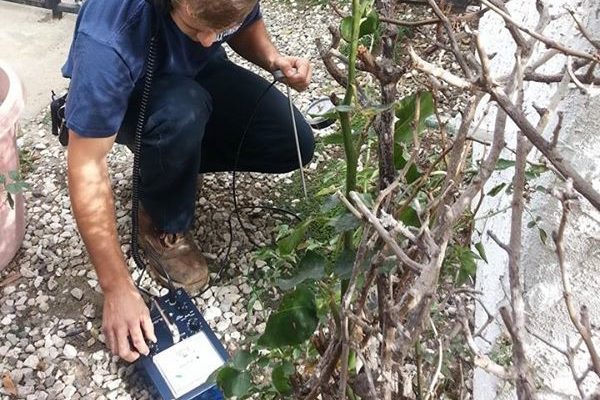
Electronic leak detection equipment can pinpoint a slab leak without demolishing your floor. If something feels off, trust that instinct and call licensed plumbing pros before the evidence becomes undeniable — and expensive.
Myth 3: Galvanized Pipes Only Need Replacing If They’re Leaking
Galvanized steel pipes were standard in homes built before the 1970s. They were designed to last 40 to 70 years — which means a huge number of Southern California homes are running on pipes that are already past their intended lifespan.
The myth is that if a galvanized pipe isn’t actively leaking, there’s no urgency. In reality, galvanized pipe corrodes from the inside out. You won’t see the problem until a section fails suddenly, often in a wall or under a slab where the repair cost multiplies fast.
Galvanized pipe replacement in Southern California is one of the most common whole-home upgrades licensed plumbers recommend — not because the pipes look bad from the outside, but because of what’s happening inside. Rust and mineral deposits narrow the interior diameter, which drops your water pressure and contaminates your water supply with rust particles. If you’ve noticed reddish-brown water after a vacation or a pressure drop that’s gotten gradually worse over the years, galvanized pipes are likely the culprit.
- Galvanized pipes corrode internally — visual inspection from outside tells you almost nothing
- Low water pressure and discolored water are early warning signs of advanced corrosion
- Replacing galvanized with copper or PEX adds real value to your home and protects your insurance coverage
A proactive re-pipe is almost always cheaper than emergency repairs after a rupture. Get a plumber to assess your pipe material if your home was built before 1975.
Myth 4: “Low Water Pressure Is Just an Area Thing” — It’s Usually Not
Southern California homeowners often chalk up low water pressure to municipal supply issues or just accept it as normal. Sometimes that’s true. But more often, the problem is inside your home — and it’s fixable.
The most common causes of genuinely low pressure in SoCal homes are corroded galvanized pipes, a failing pressure regulator, or a partially closed main shutoff valve that nobody has touched in 15 years. Each of these has a clear diagnosis and a clear fix.
A pressure regulator typically lasts 7 to 12 years. When it starts to fail, pressure can drop dramatically — or spike dangerously high, which stresses every fixture, appliance, and joint in your plumbing system. High pressure is actually the more dangerous failure mode, and it goes unnoticed until a washing machine hose bursts or a toilet supply line lets go.
- Normal residential water pressure sits between 45 and 80 PSI — anything outside that range needs attention
- A pressure gauge from any hardware store lets you test this yourself in five minutes
- If pressure is below 40 PSI consistently, call a plumber before appliances start working harder to compensate
Don’t accept low pressure as a fact of life. A licensed plumber can test your system, identify the cause, and give you a straight answer on whether it’s a quick fix or something deeper.
Myth 5: DIY Plumbing Fixes Save Money in the Long Run
Some plumbing tasks genuinely are DIY-friendly — swapping a showerhead, replacing a toilet flapper, tightening a compression fitting. But the myth that most plumbing repairs are straightforward enough to wing it has cost Southern California homeowners enormous sums.
The problem isn’t effort or intention. The problem is that plumbing systems are interconnected, and a fix in one spot creates pressure or flow changes somewhere else. A DIY patch on a leaking joint that doesn’t address why the joint failed — usually too-high pressure or pipe corrosion — just delays the next failure by a few months.
There’s also the permit issue. California requires permits for most significant plumbing work. Unpermitted repairs can create headaches when you sell, and some homeowners insurance policies won’t cover damage from unpermitted work. When you search for a plumber near me Seal Beach and hire a licensed contractor, the work gets done to code, with a paper trail that protects you.
- YouTube tutorials skip the “what if it goes wrong” steps because those don’t make good content
- Water damage from a failed DIY fix averages $2,500 to $7,500 in repairs — far more than the original job
- Licensed plumbers carry liability insurance; you don’t when you do it yourself
There’s no shame in handling minor maintenance yourself. But for anything involving your main line, supply pipes, water heater connections, or anything behind a wall — get a professional. The math almost always favors it.
Frequently Asked Questions
How do I find a reliable plumber near me in Seal Beach, CA?
Search for licensed contractors with verified Google reviews and a physical address in the area — not just a call center that dispatches from anywhere. Ask directly whether they pull permits for the work and whether their plumbers are California-licensed journeymen or apprentices. A good plumber will answer both questions without hesitation.
What are the early signs of a slab leak in my home?
The most reliable early signs are an unexplained spike in your water bill, warm patches on your floor, and the sound of running water when all fixtures are off. Check your water meter before bed and again first thing in the morning without using any water — if the dial moves, you likely have a leak somewhere in your system.
How much does professional drain cleaning in Torrance CA typically cost?
Standard drain snaking runs $100 to $250 depending on the drain location and severity of the clog. Hydro-jetting, which fully clears buildup from pipe walls, typically costs $300 to $600 but lasts significantly longer and is far more thorough than snaking alone.
Do I need to replace all my galvanized pipes at once, or can I do it in sections?
You can replace galvanized pipes in sections, but it’s worth knowing that partial re-pipes often mean returning to the same house within a few years as other sections fail. A full re-pipe done in one project is almost always cheaper per linear foot and far less disruptive than multiple partial jobs spread over time.
How long does a slab leak repair take in Southern California?
Electronic detection and diagnosis usually takes two to four hours. The repair itself depends on the method — a pipe re-route through walls can take one to two days, while direct-access concrete cutting and repair can wrap in a single day. Your plumber should walk you through both options with honest cost comparisons before starting any work.
Is it safe to use chemical drain cleaners regularly on my pipes?
Not on older pipes — the caustic chemicals in products like Drano accelerate corrosion in galvanized and older PVC pipes. On newer PVC and copper systems they’re less damaging but still mask underlying buildup rather than removing it. A professional cleaning once a year is safer and more effective for long-term pipe health.
What’s the average lifespan of copper pipes in Southern California homes?
Copper pipes typically last 50 to 70 years, but Southern California’s hard water and alkaline soil can shorten that significantly — particularly for pipes running through or near concrete slabs. If your copper pipes are over 30 years old, a plumber can inspect for pitting and pinhole leaks before they become full failures.
Need a Plumber in Seal Beach?
V-Max Plumbing serves Seal Beach, Long Beach, and the Orange County coast from our Seal Beach office. We show up on time, fix the problem, and stand behind the work. Call (562) 850-3337 or request a free quote online — we’re available 7 days a week with no after-hours surcharges.