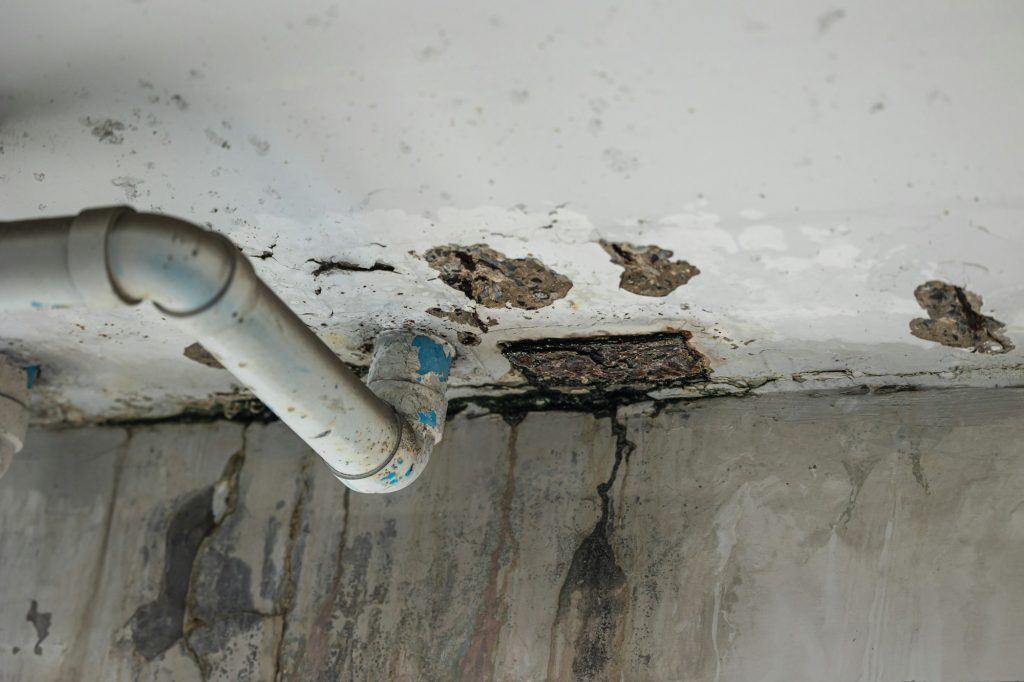
Tree roots in sewer lines are one of the most common — and most destructive — plumbing problems homeowners face in Southern California. Our dry climate pushes roots to travel surprisingly far in search of moisture, and your sewer pipe is exactly the warm, nutrient-rich water source they want. By the time you notice slow drains or sewage smells, the roots may have been growing inside your pipe for months. The good news is that modern repair methods can clear the blockage and fix the damage with far less disruption than you might expect.
V-Max Plumbing has served Long Beach, Torrance, Bellflower, and the greater South Bay for over 15 years. Our team is licensed, insured, and local — and we never charge weekend or after-hours surcharges.
The EPA notes that tree root intrusion is one of the most common causes of sewer line failure in older residential systems.
Why Southern California Trees Target Your Sewer Line
Southern California’s long dry seasons create a perfect storm for root intrusion. Trees and shrubs send roots outward looking for water, and even a hairline crack or a slightly loose joint in your sewer pipe releases just enough moisture vapor to attract them.
Once a root tip finds that gap, it pushes through and expands. Over months and years, what started as a thin strand becomes a dense mat that catches toilet paper, grease, and debris — eventually blocking the pipe entirely.
Common culprits in Southern California yards include:
- Ficus trees — notoriously aggressive roots that travel 30 to 50 feet
- Willow and pepper trees — fast-growing roots drawn strongly to water sources
- Bougainvillea and oleander — surprisingly deep root systems that most homeowners underestimate
- Mature citrus trees — slower-growing but damaging in older clay pipe systems
The pipe material matters too. Clay and Orangeburg pipes, both common in homes built before 1980, crack and degrade far more readily than modern PVC. If your home is more than 40 years old and you have mature trees in the yard, your risk of tree roots in your sewer line goes up significantly — and a proactive inspection is worth every penny.
Four Warning Signs You Have Roots Growing in Your Pipe
Root problems rarely announce themselves loudly at first. You’ll usually notice small, easy-to-dismiss symptoms long before anything backs up into your home.
- Slow drains throughout the house — not just one fixture, but multiple. When the main line is partially blocked, every drain runs sluggishly.
- Gurgling sounds from toilets or floor drains — air trapped around a partial blockage creates that distinctive bubbling noise.
- Sewage odors indoors or in the yard — a cracked pipe leaks gases as well as water, and roots accelerate that cracking.
- Unusually green or lush patches of grass — if one section of your lawn looks noticeably healthier than the rest, the soil below may be feeding on a slow sewage leak.
Any one of these signs deserves a call to a plumber. All four together means the clock is ticking. The sooner you get eyes inside that pipe, the more options you’ll have for repair — and the lower the final bill.
Waiting until the line fully backs up is almost always the more expensive path. A partial blockage that costs a few hundred dollars to clear today can turn into a full pipe replacement job if the roots are left to grow unchecked.
Sewer Camera Inspection: See Exactly What You’re Dealing With
Before any repair can happen, you need to know what’s actually inside the pipe. A sewer camera inspection in Torrance and across the broader Southern California area gives a plumber a real-time video feed of your sewer line’s condition — no guesswork, no unnecessary digging.
A technician feeds a waterproof camera attached to a flexible cable into your cleanout access point. The camera transmits footage to a monitor above ground, showing root intrusion, cracks, pipe collapse, offset joints, or corrosion in detail.
A good sewer camera inspection does three things:
- Confirms whether roots are present and how severe the intrusion is
- Locates the exact position and depth of the problem using a ground-level locator
- Guides the repair method — so you’re not paying for hydro jetting when the pipe actually needs replacement, or paying for replacement when a simple cleaning would do
Many plumbers in the region offer camera inspections as a standalone service, often in the $150 to $300 range. If you’re buying or selling a home with mature trees on the property, a camera inspection before close of escrow is genuinely one of the smartest $200 you can spend.
Hydro Jetting vs. Mechanical Cutting: Which Clears Roots Better
Two primary methods clear tree roots from sewer lines, and they work very differently. Knowing the difference helps you ask the right questions when a plumber gives you a quote.
Mechanical cutting (rooter service) uses a rotating auger or cutting blade fed through the pipe. It physically slices through the roots and breaks up the mass. It’s effective for moderate blockages and typically costs less upfront, but it leaves root fragments inside the pipe and doesn’t clean the pipe walls — meaning regrowth can happen faster.
Hydro jetting uses highly pressurized water — typically 3,000 to 4,000 PSI — to blast roots, debris, and buildup completely out of the pipe and flush it downstream. Hydro jetting in Seal Beach and surrounding areas has become the preferred method for severe root intrusion because it clears the pipe more thoroughly and slows regrowth significantly.
A few factors that determine which method your plumber will recommend:
- Severity of the blockage and root mass volume
- Pipe material and age — hydro jetting is not always safe on severely deteriorated clay pipe
- Whether any structural damage is already present in the line
In many cases, a plumber will use mechanical cutting first to open the line, follow with hydro jetting to clean it, and then run a camera inspection to assess whether a repair or replacement is needed. That three-step process gives you the most complete picture.
Trenchless Sewer Repair: Fix the Pipe Without Destroying Your Yard
If the camera reveals that roots have already cracked or collapsed sections of your pipe, clearing the blockage alone won’t solve the problem. You’ll need a proper repair — and that used to mean tearing up your driveway, landscaping, or even your floor.
Trenchless sewer repair in Torrance, CA and throughout Southern California has changed that equation entirely. Two main methods allow plumbers to fix or replace the pipe from just one or two small access points.
Pipe lining (CIPP — Cured-In-Place Pipe) involves inserting a resin-saturated liner into the damaged pipe and inflating it. The resin cures into a smooth, hard new pipe inside the old one. It’s ideal for pipes with cracks, minor collapses, and root intrusion damage, and it typically adds 40 to 50 years of service life.
Pipe bursting pulls a new pipe through the old one while simultaneously fracturing the original pipe outward. This works well when the existing pipe is too degraded for lining and gives you a brand-new full-diameter pipe in its place.
Compared to traditional open-cut excavation, trenchless methods typically cost 30 to 40 percent less when you factor in landscape restoration, concrete replacement, and labor. The work usually completes in a single day. For homeowners in established Southern California neighborhoods with mature landscaping or decorative hardscaping, the difference in disruption is enormous.
Preventing Root Intrusion After the Repair Is Done
Clearing roots or repairing a damaged pipe solves the immediate problem. Keeping roots out long-term takes a bit more planning — but none of it is complicated.
Schedule annual or biennial camera inspections. A quick look inside the pipe every one to two years catches new root tips before they become a serious blockage. This is especially important for homes in Seal Beach, Torrance, and other areas with older housing stock and large established trees.
Apply copper sulfate or foaming root killers. These products, flushed through the toilet or poured into a cleanout, kill roots on contact without harming the tree above ground. They won’t remove existing blockages, but used preventively after a cleaning, they slow regrowth noticeably.
Be strategic about new planting. If you’re adding trees or large shrubs to your yard, check your sewer line location first — your city’s utility map or a plumber can mark it for you. Keep anything with aggressive roots at least 10 feet away, and favor slow-growing, non-invasive species near the sewer corridor.
Upgrade old pipe if you’re doing other work anyway. If you’re already renovating, replacing a 60-year-old clay lateral with PVC while walls or landscaping are open is far cheaper than revisiting it later. New PVC with proper joints gives roots almost nothing to grab onto.
Frequently Asked Questions
How do tree roots get into sewer pipes in the first place?
Roots enter through small cracks, deteriorated joints, or loose connections in the pipe — all common in aging clay and Orangeburg pipes. Even the moisture vapor escaping from a tiny gap is enough to attract a root tip. Once inside, roots expand and can eventually fill the entire pipe diameter.
How much does it cost to remove tree roots from a sewer line in Southern California?
A basic rooter service runs $150 to $400 for a straightforward blockage. Hydro jetting typically costs $300 to $600 depending on pipe length and access. If the pipe needs structural repair, trenchless lining usually runs $3,000 to $8,000 for a standard residential lateral — significantly less than open-cut excavation when landscaping costs are included.
Can I use chemical root killers instead of calling a plumber?
Chemical treatments like copper sulfate can kill existing root growth inside a pipe, but they work slowly and won’t clear a serious blockage. They’re most effective as a preventive measure after a professional cleaning. If your drains are already running slowly, a plumber with the right equipment will solve the problem much faster and more reliably.
Will hydro jetting damage my sewer pipes?
In good or moderately deteriorated pipes, hydro jetting is very safe and actually prolongs pipe life by removing grease and mineral buildup. The exception is severely degraded clay or Orangeburg pipe where the walls are already compromised — a camera inspection beforehand tells your plumber whether jetting is appropriate or whether you need a repair first.
How long does trenchless sewer repair take?
Most residential trenchless jobs complete in one day. Pipe lining requires the resin to cure, which takes a few hours, but you’re typically back in service the same day the work starts. Compare that to open-cut excavation, which can run two to four days and leaves your yard needing significant restoration work afterward.
Does homeowner’s insurance cover tree root sewer damage?
Most standard homeowner’s policies exclude damage caused by tree roots as it’s considered a maintenance issue rather than a sudden loss. Some policies offer optional sewer line endorsements that do cover root intrusion — check your policy documents or call your agent to confirm what you have before you assume you’re covered.
How often should I have my sewer line inspected if I have large trees?
Every one to two years is a reasonable schedule for homes with mature ficus, willow, or pepper trees near the sewer corridor. If you’ve already had a root intrusion issue cleared, a follow-up inspection 12 months later confirms the pipe is holding and catches any regrowth early.
Need a Plumber in Southern California?
V-Max Plumbing serves Long Beach, Torrance, Bellflower, and the greater South Bay from our Torrance office. We show up on time, fix the problem, and stand behind the work. Call (310) 614-3579 or request a free quote online — we’re available 7 days a week with no after-hours surcharges.