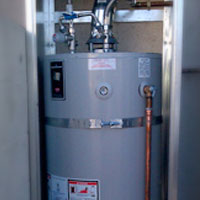
Your water heater gives you warnings before it quits — most homeowners just don’t know what to look for until they’re standing in a cold shower at 6 a.m. If you’ve been putting off water heater repair in Torrance CA, or you’ve noticed something feels off lately, this guide will help you catch the problem early. Early action almost always means a cheaper fix, a faster turnaround, and no flooded garage to deal with. Here’s exactly what to watch for.
V-Max Plumbing has served Torrance and the South Bay for over 15 years. Our team is licensed, insured, and local — and we never charge weekend or after-hours surcharges.
Your Hot Water Runs Out Faster Than It Used To
If your morning shower turns cold before you’ve finished rinsing, your water heater is telling you something. A tank that once kept a family of four comfortable for back-to-back showers shouldn’t struggle with two people — unless something has changed inside the unit.
According to the U.S. Department of Energy, most residential water heaters last 10 to 15 years, with hard water cutting that lifespan noticeably shorter.
The most common culprit is sediment buildup on the tank floor. In Southern California, hard water is a genuine problem. Minerals like calcium and magnesium settle at the bottom of your tank over time, reducing the space available for hot water and forcing the heating element to work harder through a thick layer of scale.
What you’ll notice:
- Hot water that lasts 30–40% less time than it used to
- Lukewarm water even when the thermostat is set correctly
- Longer wait times for water to heat back up after use
A professional flush can sometimes fix this if you catch it early. Leave it too long and the sediment hardens into a concrete-like layer that shortens the tank’s lifespan significantly. If your unit is already 8–10 years old and struggling with recovery time, you may be closer to a full water heater replacement than a simple repair.
Rumbling, Popping, or Banging Noises Mean Trouble Is Building
A quiet hum when your heater fires up is normal. Loud rumbling, popping, or a low banging sound is not. Those noises are sediment layers cracking and shifting as the burner tries to heat water through them — and they get louder as the problem worsens.
Some homeowners describe it as gravel tumbling around inside the tank. Others hear a sound like someone knocking from inside the unit. Both descriptions point to the same issue: mineral accumulation that’s been left too long.
Beyond being annoying, this constant thermal stress causes micro-fractures in the tank lining. Once the lining cracks, corrosion accelerates fast, and leaks follow. By the time you hear consistent loud noises, you’re often looking at 12–18 months before the tank fails completely — sometimes less.
If you’ve noticed your water heater not working in Torrance and unusual sounds are part of the picture, don’t wait. Call a plumber for an inspection before a small repair becomes an emergency replacement on a weekend when rates are higher.
Rusty Water or a Metallic Taste Signals Corrosion Inside
Brown or reddish water coming from your hot tap is a serious red flag. It usually means one of two things: the sacrificial anode rod inside your tank has worn out, or the tank itself has started corroding from the inside out.
The anode rod is a magnesium or aluminum rod that attracts corrosive minerals so the tank walls don’t have to. Most anode rods last 3–5 years depending on water quality. In areas with hard water like Torrance and Seal Beach, they wear out faster. Replacing an anode rod costs $20–$50 in parts — replacing a corroded tank costs $900–$2,500 or more.
Here’s how to tell the difference between pipe rust and tank rust: run cold water from the same tap. If the cold water runs clear but hot water stays rusty, the problem is almost certainly your water heater, not your pipes.
A metallic taste even when the water looks clear is an earlier warning sign. Don’t ignore it. Catching corrosion before it penetrates the tank walls gives you time to plan a proper water heater replacement in Seal Beach or Torrance rather than scrambling after a failure.
Visible Leaks or Moisture Around the Base Are Never Normal
Any standing water near your water heater deserves immediate attention. Even a small puddle can mean the tank has developed a crack or the pressure relief valve is releasing — neither of which fixes itself.
Before assuming the worst, check these simpler causes first:
- Condensation: In cooler months, cold water entering a warm tank can cause surface condensation. This is normal and typically appears as a fine mist or light dampness, not a puddle.
- Loose fittings: The inlet and outlet connections at the top of the unit can loosen over time. A plumber can tighten or replace these in under an hour.
- Pressure relief valve: If this valve drips consistently, it’s either doing its job because pressure is too high, or it’s failing and needs replacement.
What you’re really watching out for is water pooling directly beneath the tank on a consistent basis. That points to a hairline crack in the tank itself. Once a steel tank cracks, there’s no patch — you need a full replacement. A 50-gallon tank leak can dump hundreds of gallons into your garage or utility room in hours, causing damage that far exceeds the cost of replacing the heater early.
Your Unit Is Over 10 Years Old — Here’s What That Actually Means
Most traditional storage tank water heaters last 8–12 years with regular maintenance. Without maintenance — which covers a large share of units in Southern California — that window shrinks to 7–9 years. If yours is pushing a decade, start planning now rather than reacting later.
Age alone doesn’t mean replacement is urgent, but it does mean every symptom on this list carries more weight. A 12-year-old tank with rumbling noises and slow recovery time isn’t a repair candidate — it’s a liability.
This is also a smart moment to consider switching to a tankless water heater in Southern California. Tankless units heat water on demand rather than storing it, which eliminates standby heat loss and can cut water heating energy costs by 24–34% according to the U.S. Department of Energy. They last 20+ years on average and take up a fraction of the wall space a traditional tank requires.
The upfront cost is higher — expect $1,000–$3,000 installed depending on the unit and your current gas or electrical setup. But for homeowners planning to stay in their Torrance or Seal Beach home for 5+ more years, the math often works in favor of going tankless during a replacement rather than dropping $1,200 on another traditional tank that’ll need replacing again by 2033.
Energy Bills Climbing With No Obvious Reason? Check Your Water Heater
Water heating accounts for roughly 18% of the average home’s energy use. When your unit starts failing, it works harder to reach and hold temperature — and that extra effort shows up directly on your gas or electric bill.
If your energy costs have crept up $15–$40 per month without a change in usage habits or utility rates, your water heater is a prime suspect. Sediment insulation, a failing heating element, or a thermostat stuck in a high-demand cycle all force the unit to run longer cycles than it should.
Compare your bills month-over-month rather than year-over-year for a clearer picture. Southern California utility rates shift seasonally, which can mask a slow increase when you’re comparing the same month across years. A consistent upward trend across 3–4 consecutive months is worth investigating.
A qualified plumber offering water heater repair in Torrance CA can run an efficiency check and tell you whether a tune-up will bring costs back down or whether the unit has crossed the point where repair costs more than replacement over the next two years. That break-even analysis is something any reputable contractor should be willing to walk you through before you commit to anything.
Frequently Asked Questions
How much does water heater repair in Torrance CA typically cost?
Most water heater repairs in Torrance run between $150 and $600 depending on the part — thermostat replacements sit at the lower end, while element and valve work costs more. Emergency or after-hours calls add $50–$150 to that base price. Always get a written estimate before work starts.
What are the first signs my water heater is not working properly?
The earliest signs are usually reduced hot water volume, slightly lukewarm water at peak usage times, and faint rumbling or popping sounds during heating cycles. Catching these symptoms in the first stage often means a flush or minor repair rather than full replacement.
Is water heater replacement in Seal Beach expensive compared to repair?
A standard tank replacement in Seal Beach runs $900–$1,800 installed, while a tankless unit runs $1,500–$3,000. Repair costs $150–$600 on average. If your unit is over 10 years old and needs a repair costing more than 50% of replacement cost, replacement is usually the smarter financial move.
How long does a tankless water heater last in Southern California?
Tankless water heaters typically last 20–25 years — roughly double the lifespan of a traditional storage tank. In Southern California’s hard water conditions, annual descaling maintenance is important to hit that upper lifespan estimate. Skipping maintenance can shorten it by 5 years or more.
Can I flush my water heater myself to remove sediment?
Yes, if the unit is in good condition and you’re comfortable turning off the gas or electricity and connecting a hose to the drain valve. On older units — especially those that haven’t been flushed in years — DIY flushing can disturb hardened sediment and trigger a leak from a valve that wasn’t sealing properly before. When in doubt, have a plumber do it.
How do I know if my water heater needs repair or full replacement?
If the unit is under 8 years old and the repair costs less than $500, repair almost always makes sense. If it’s over 10 years old, shows signs of corrosion, or the repair cost exceeds half the price of a new unit, replacement is the smarter long-term choice. A licensed plumber can give you a side-by-side cost comparison.
Why does my water heater make a popping noise when it heats up?
Popping sounds almost always mean sediment has accumulated on the tank floor. As the burner heats water through that sediment layer, trapped steam pockets crack through the buildup — that’s the popping you hear. A professional flush resolves it if caught early; advanced sediment buildup may mean the tank is nearing the end of its life.
Need a Plumber in Torrance?
V-Max Plumbing serves Torrance and the South Bay from our Torrance office. We show up on time, fix the problem, and stand behind the work. Call (310) 614-3579 or request a free quote online — we’re available 7 days a week with no after-hours surcharges.