If your drains keep clogging no matter how many times you snake them, hydro jetting Seal Beach might be the fix you’ve been skipping over. It’s not a gimmick — it’s a high-pressure water system that physically scours the inside of your pipes clean. Most homeowners don’t hear about it until a plumber recommends it after a stubborn blockage, but knowing the basics upfront can save you from repeat service calls and emergency situations. Here’s everything you need to decide whether it’s right for your home.
V-Max Plumbing has served Seal Beach, Long Beach, and the Orange County coast for over 15 years. Our team is licensed, insured, and local — and we never charge weekend or after-hours surcharges.
The EPA recommends regular sewer inspection and cleaning to keep private laterals flowing and prevent backups.
What Hydro Jetting Actually Does Inside Your Pipes
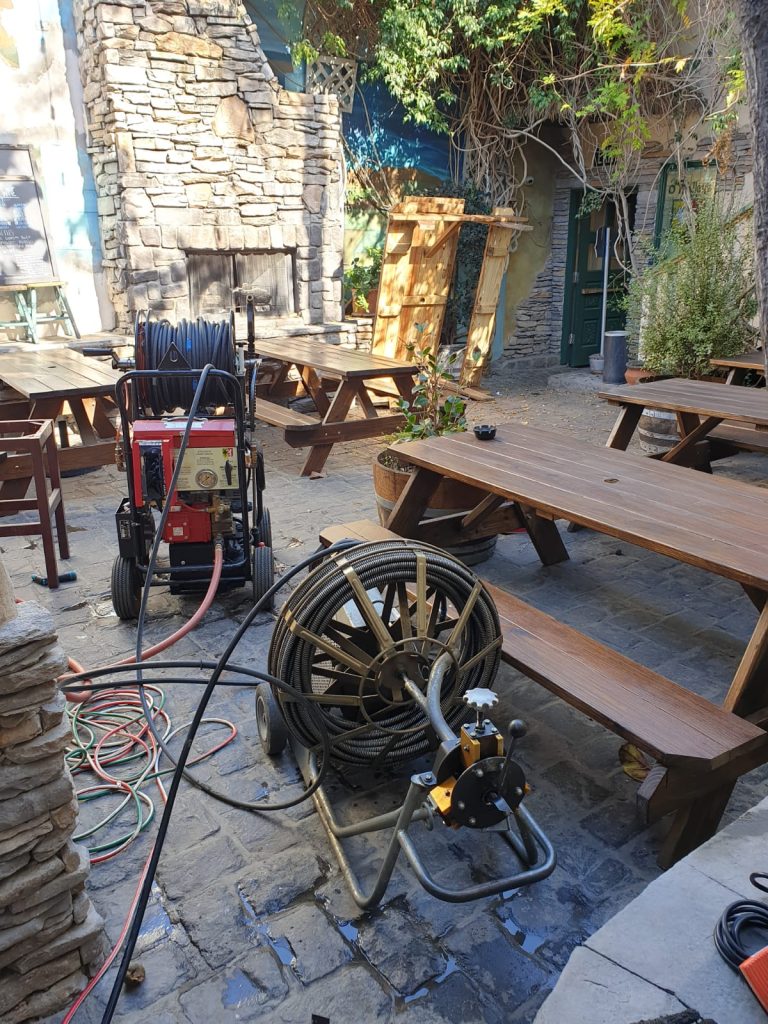
Hydro jetting pushes water through your pipes at pressures between 1,500 and 4,000 PSI — enough to blast through grease buildup, mineral scale, tree root intrusions, and compacted debris that a drain snake barely scratches. A plumber feeds a flexible hose with a specialized nozzle into your drain. That nozzle sprays water in multiple directions simultaneously — forward to break up blockages and backward to flush everything out toward the sewer main.
The process is thorough in a way that other methods aren’t. A standard auger punches a hole through a clog. Hydro jetting removes the clog entirely and cleans the pipe walls too — reducing the odds of the same buildup forming again quickly.
The equipment varies by job. Residential drain lines typically need lower pressure settings compared to commercial grease traps or municipal sewer lines. A good plumber calibrates the pressure to your specific pipe size and material before starting — forcing too much pressure through old, fragile pipes causes more damage than the original clog.
- Grease and soap scum — common in kitchen drain lines, dissolves and flushes completely
- Tree root intrusions — small roots get shredded; large ones may need cutting first
- Mineral scale — hard water deposits that narrow pipe diameter over years
- Sediment buildup — sand, dirt, and debris that settles in low-slope drain lines
Three Signs Your Drain Is a Strong Candidate for Hydro Jetting
Not every slow drain needs a pressure wash. But certain patterns point directly to hydro jetting as the right call rather than a temporary fix.
1. The same drain clogs every few months. If you’re calling a plumber or buying drain cleaner on a rotation, you have buildup — not just a one-off blockage. Snaking it gives you relief for a few weeks, but the coating on the pipe walls keeps collecting debris. Hydro jetting strips that coating away and resets the pipe back closer to its original diameter.
2. Multiple drains are slow at the same time. When one drain is slow, the problem is usually local — a p-trap or a short stretch of pipe. When several drains in your home all run slowly, the issue lives deeper in your main line. That’s a hydro jetting job, not a plunger situation.
3. You’ve got a commercial kitchen or a property with heavy grease use. Restaurants and food service spaces in areas like Torrance and Bellflower often schedule drain cleaning Torrance CA and hydro jetting Bellflower CA on a regular preventive cycle — because grease accumulates faster than most people expect and chemical drain cleaners don’t actually cut through it reliably.
If any of these match your situation, the next step is a camera inspection to confirm your pipes are in good enough shape to handle the pressure.
When Hydro Jetting Is the Wrong Choice for Your Pipes
Hydro jetting is powerful — and that’s exactly why it isn’t right for every situation. Running high-pressure water through the wrong pipe can crack joints, worsen existing fractures, or dislodge pipe sections that were only held together by decades of mineral buildup.
Older clay or cast iron pipes are the biggest concern. Homes built before 1970 often have clay sewer lines that have shifted, cracked, or partially collapsed over time. A camera inspection will reveal whether yours are intact enough to handle jetting. If they’re not, hydro jetting accelerates the damage — you’d need relining or replacement first.
Corroded pipes are another red flag. Heavy corrosion thins pipe walls. Adding 3,000 PSI of water to a pipe that’s already compromised is a fast path to an emergency repair bill.
This is why reputable plumbers — whether you’re looking at hydro jetting Seal Beach, emergency drain cleaning Bellflower, or anywhere else — always recommend a camera inspection before the jetting begins. It’s not an upsell. It’s a step that protects you from paying for a service that causes the very damage it was meant to prevent.
- Skip hydro jetting if: pipes show visible corrosion or cracks on camera
- Skip hydro jetting if: your home has original clay sewer lines that haven’t been inspected in years
- Proceed with hydro jetting if: camera shows intact PVC, ABS, or structurally sound cast iron
What the Process Looks Like From Start to Finish
The actual hydro jetting appointment follows a predictable sequence. Knowing it helps you ask the right questions and avoid being surprised by the steps — or the time it takes.
Step 1 — Camera inspection. The plumber runs a small waterproof camera through your drain line. This confirms the location of the blockage, identifies what type of material is causing it, and checks pipe condition. This usually takes 20 to 45 minutes depending on the line length and what they find.
Step 2 — Access point selection. The jetting hose enters the pipe through a cleanout — a capped fitting usually located in your yard, basement, or near the foundation. If your home doesn’t have an accessible cleanout, the plumber may need to create one.
Step 3 — Jetting. The technician feeds the hose in and starts the machine at a lower pressure first, increasing as needed. They work the nozzle through the full length of the affected line — this isn’t a quick blast at the opening. A thorough job on a residential main line takes 30 to 90 minutes.
Step 4 — Post-flush camera check. Good plumbers run the camera again after jetting to confirm the line is clear and the pipe walls are intact. This is the step that separates a quality job from a rushed one.
Total appointment time: usually 1.5 to 3 hours for a standard residential job. Commercial lines take longer.
Hydro Jetting Costs vs. What You Pay by Ignoring It
Hydro jetting typically runs between $300 and $600 for a residential main line in Southern California — more for commercial properties, longer lines, or situations requiring root cutting before jetting can begin. Camera inspections often add $100 to $250 if priced separately, though many plumbers bundle them with the jetting service.
That price sounds high compared to a $150 drain snaking. But if you’re getting that snake out three or four times a year, you’ve already spent more — and the underlying buildup is still there, narrowing your pipes a little more each season.
The real cost comparison is against emergency calls. An emergency drain cleaning Bellflower or Seal Beach call — a backed-up main line on a Sunday night, raw sewage in the yard, guests in your home — starts around $400 and climbs fast depending on damage. One proactive hydro jetting appointment every two to three years often prevents that scenario entirely.
For homeowners doing the math: if you’re in a house with mature trees near the sewer line, a household of four or more people, or a kitchen that sees heavy cooking, preventive hydro jetting is almost always the cheaper path over a five-year window.
How to Find a Plumber Who Does Hydro Jetting Correctly
The equipment isn’t rare anymore — lots of plumbers own a hydro jetter. What separates a good job from a damaging one is the process around it: the inspection before, the calibration during, and the verification after.
Ask any plumber you’re considering these three questions before booking:
- Do you run a camera before jetting? If the answer is no — or only sometimes — that’s a problem. You want pipe condition confirmed before the pressure goes on.
- What PSI do you use for residential lines? A knowledgeable plumber will give you a range and explain how they adjust it. Vague answers here suggest they run the same pressure on every job.
- Do you camera the line again after? Post-jetting verification shows the line is clear and that nothing was damaged during the process. Not every plumber offers it, but the ones who do produce consistently better results.
Whether you’re looking for drain cleaning Torrance CA, hydro jetting Bellflower CA, or a plumber closer to the coast for hydro jetting Seal Beach, the same standards apply. Check reviews specifically mentioning camera inspections and post-service follow-up — those details show up in feedback from homeowners who cared about the job being done right, not just fast.
A plumber who skips the inspection step is saving themselves 20 minutes. You’re the one absorbing the risk.
Frequently Asked Questions
How long does hydro jetting take?
Most residential hydro jetting appointments take between 1.5 and 3 hours from start to finish, including the camera inspection. Commercial or severely blocked lines take longer — sometimes a full half-day if root cutting is needed first.
Is hydro jetting safe for older pipes?
It depends on the pipe’s condition, not just its age. A camera inspection before jetting reveals whether the pipe walls can handle high pressure. Cracked, heavily corroded, or partially collapsed pipes are not safe candidates for jetting until repaired or relined.
How often should I get hydro jetting done?
For most residential homes, every 2 to 3 years is a reasonable preventive schedule. Homes with large trees near sewer lines, older plumbing, or heavy kitchen use benefit from annual or biannual cleaning.
Can hydro jetting remove tree roots from pipes?
Small, hair-like roots flush out easily with hydro jetting. Larger root masses usually require mechanical root cutting first — then hydro jetting clears the debris and cleans the pipe walls afterward. Your plumber’s camera inspection will tell you which situation you’re dealing with.
What’s the difference between hydro jetting and drain snaking?
A drain snake punches through a clog to restore flow. Hydro jetting removes the clog completely and scours the pipe walls clean, eliminating the residue that attracts future buildup. Snaking is faster and cheaper for simple clogs; hydro jetting is more effective for recurring problems and heavy accumulation.
Will hydro jetting damage my septic system?
Hydro jetting the lines leading to your septic tank is generally safe. The concern is introducing a large volume of water into the tank quickly — a good plumber will account for this. Tell your plumber upfront that you have a septic system so they can adjust accordingly.
What should I do if my drain backs up suddenly after hours?
Call a plumber who offers emergency drain cleaning — in areas like Bellflower or Seal Beach, most full-service plumbers have after-hours lines. Don’t use chemical drain cleaners while waiting; if the clog is severe, they’ll pool in your pipe and create a hazard for the technician working on it.
Need a Plumber in Seal Beach?
V-Max Plumbing serves Seal Beach, Long Beach, and the Orange County coast from our Seal Beach office. We show up on time, fix the problem, and stand behind the work. Call (562) 850-3337 or request a free quote online — we’re available 7 days a week with no after-hours surcharges.