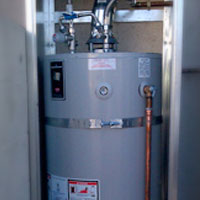
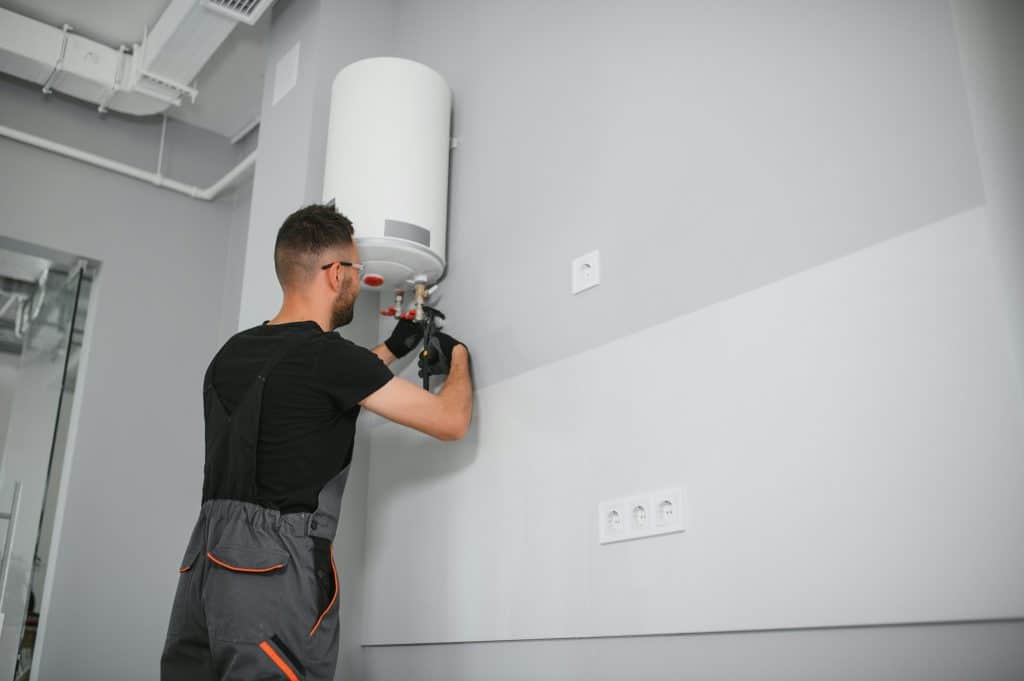
If you’ve been putting off a tankless water heater installation in Torrance, the combination of Southern California’s rising utility rates and ongoing drought restrictions makes this the right time to act. Older plumbing systems waste thousands of gallons a year — and that waste shows up on your bill every single month. The good news is that a handful of targeted upgrades can dramatically cut your water and energy use without gutting your budget. This guide walks you through the most practical eco-friendly plumbing changes you can make right now, from swapping out your tank heater to rethinking the pipes running through your walls.
V-Max Plumbing has served Torrance and the South Bay for over 15 years. Our team is licensed, insured, and local — and we never charge weekend or after-hours surcharges.
Why Tankless Water Heaters Save More Money in Southern California’s Climate
Traditional tank heaters keep 40 to 80 gallons of water hot around the clock — whether you need it or not. That constant reheating accounts for roughly 18% of a typical home’s energy use. In a climate like Southern California’s, where temperatures stay mild year-round, you’d think that’s less of a problem. But mild outdoor temps mean people use hot water more frequently, which means your tank cycles on and off more often than you’d expect.
The EPA WaterSense program certifies fixtures that use at least 20 percent less water without sacrificing performance — a proven way to shrink your water bill.
A tankless water heater heats water only when you turn on the tap. On-demand heating cuts energy consumption by 24% to 34% for homes that use 41 gallons or less of hot water daily, according to the U.S. Department of Energy. For larger households, you’re still looking at savings of around 8% to 14%.
Tankless units also last significantly longer — 20 years compared to 10 to 15 for conventional tanks. That longer lifespan reduces the raw materials and manufacturing energy tied to replacements. So the environmental benefit isn’t just about daily efficiency; it’s about fewer units ending up in landfills over the decades you own your home.
- Gas tankless models typically deliver higher flow rates, making them better for larger households
- Electric tankless models are easier to install and pair well with solar panels
- Most tankless water heater Southern California installs qualify for local utility rebates, which can cut your upfront cost by $200 to $500
Four Signs Your Home Is Ready for Whole Home Repiping
Repiping isn’t a conversation most homeowners want to have. But if your house was built before 1985 and still has its original pipes, there’s a real chance corroded or degraded plumbing is quietly wasting water — and setting you up for a costly leak.
Whole home repiping in Torrance makes a lot of sense if you notice any of these warning signs:
- Discolored water — rust-brown or yellowish water from the tap points to corroding galvanized steel pipes
- Chronic low pressure — mineral buildup inside old pipes narrows the passageway and chokes your flow
- Frequent pinhole leaks — if you’ve patched more than one leak in the past two years, the rest of the pipe is likely in similar shape
- Visible corrosion on exposed pipes in your garage, basement, or under-sink cabinet
Modern repiping uses PEX (cross-linked polyethylene) or copper. PEX is flexible, resistant to scale buildup, and requires far fewer fittings — meaning fewer potential failure points. It also uses less energy to manufacture than copper, making it the more eco-friendly choice for most residential applications.
Done right, a full repipe stops hidden water loss, improves water quality, and can reduce your homeowner’s insurance premium. The upfront investment typically runs $4,000 to $15,000 depending on home size, but the savings in leak repairs, water waste, and water quality issues add up fast.
Low-Flow Fixtures That Actually Deliver Good Water Pressure
The phrase “low-flow” has a bad reputation. People assume it means a weak trickle that takes twice as long to rinse shampoo out of their hair. Modern low-flow fixtures have largely solved that problem through pressure-compensating aerators and flow restrictors that maintain strong pressure while using less water.
Here’s what the numbers look like in a typical Southern California home:
- A standard showerhead uses 2.5 gallons per minute (GPM). A WaterSense-certified model uses 1.8 GPM or less — saving a family of four roughly 2,900 gallons per year
- Old toilets from before 1994 use up to 3.5 to 7 gallons per flush. Dual-flush models bring that down to 0.8 to 1.28 GPM
- Faucet aerators on kitchen and bathroom taps cut flow from 2.2 GPM to 1.0 to 1.5 GPM without any noticeable pressure difference
The Metropolitan Water District of Southern California regularly offers rebates on WaterSense products — sometimes up to $100 per toilet replaced. Stack those rebates with your water bill savings and many fixtures pay for themselves within 12 to 18 months.
If you’re searching for a plumber near me in Seal Beach or the broader South Bay area, ask specifically whether they install WaterSense-certified fixtures and whether they can help you file for rebates. A good plumber will handle that paperwork as part of the job.
How a Recirculating Pump Eliminates the Cold-Water Wait (and Stops the Waste)
Every time you turn on the hot water and wait for it to warm up, that cold water running down the drain is wasted. The average household dumps 10,000 to 15,000 gallons a year just waiting for hot water to arrive at the tap. In a drought-prone region like Southern California, that’s not a small number.
A hot water recirculating pump keeps a small flow of hot water circulating through your pipes so it’s ready the moment you need it. There are two main types:
- Full recirculating systems — require a dedicated return line and are best installed during a repipe or new construction
- Comfort systems — use your cold water line as a return path and can retrofit into almost any existing home without major plumbing work
Pair a recirculating pump with a timer or a motion sensor, and it only runs during the hours your household actually uses hot water — cutting the energy cost of running the pump to nearly nothing.
This upgrade pairs especially well with tankless water heater installation. Tankless units have a short but noticeable delay before delivering hot water. A recirculation pump eliminates that delay entirely, so you get the energy efficiency of on-demand heating with the instant delivery homeowners expect.
Greywater Systems and Outdoor Water Reuse: What’s Legal in California
California is one of the few states with a clear, permissive framework for residential greywater systems. Greywater is the relatively clean wastewater from sinks, showers, and washing machines — not from toilets. You can legally reuse it for subsurface landscape irrigation without a permit in California, provided you follow the state’s simple-system guidelines.
A laundry-to-landscape system is the easiest entry point. You divert your washing machine’s discharge line to mulched basins around trees or large shrubs. Setup costs run $200 to $500 for materials, and many homeowners do it in a weekend. The average washing machine produces 15 to 30 gallons of greywater per load — water that currently goes straight to the sewer.
More involved systems that include branched drain networks from showers and bathroom sinks require a permit but are still straightforward for a licensed plumber to install. Key rules to know:
- Greywater must not contact edible portions of food plants
- It must drain within 24 hours to prevent standing water and mosquito breeding
- No ponding or runoff onto neighboring properties or public areas
If you’re already planning a whole home repiping in Torrance or a kitchen/bath renovation, this is the ideal time to rough in a greywater diversion valve. Adding it after the walls are closed costs significantly more.
How to Choose the Right Plumber for Eco-Friendly Upgrades in the South Bay
Not every licensed plumber has experience with tankless systems, PEX repiping, or greywater installations. Before you hire anyone, ask three direct questions: Have they done tankless water heater installations before, and can they share references? Are they familiar with local rebate programs through SoCalGas, SCE, or the Metropolitan Water District? Do they pull permits for every job?
Permits matter more than most homeowners realize. Unpermitted work can void your homeowner’s insurance, complicate a home sale, and leave you personally liable if something goes wrong. A plumber who skips permits to save time is not doing you a favor.
Look for plumbers who are licensed by the California Contractors State License Board (CSLB) and carry both general liability and workers’ compensation insurance. You can verify both on the CSLB website in about two minutes.
If you’re looking for a plumber near me in Seal Beach, Torrance, or anywhere in the South Bay, local contractors will have the best familiarity with regional rebate programs and municipal code requirements. Regional experience cuts down on surprises mid-job — and usually means faster permit approvals too.
- Ask for an itemized written quote before any work begins
- Confirm who pulls and pays for the permit — it should be the contractor
- Get at least two quotes for jobs over $3,000
Frequently Asked Questions
How much does tankless water heater installation in Torrance typically cost?
Most homeowners in Torrance pay between $1,500 and $3,500 for a full tankless water heater installation, including labor and materials. Gas models tend to cost more to install due to venting requirements, but utility rebates from SoCalGas can offset $200 to $500 of that upfront cost. Get at least two quotes and confirm the price includes permit fees.
Is a tankless water heater worth it in Southern California?
Yes — especially given Southern California’s electricity and gas rates, which rank among the highest in the country. You can expect 24% to 34% energy savings on water heating compared to a traditional tank, and the unit will likely outlast a conventional heater by five to ten years. Pair it with a recirculating pump and the convenience factor improves significantly.
How long does whole home repiping take in Torrance?
Most whole home repipes take two to four days depending on the size of the home and the pipe material being installed. PEX repiping generally goes faster than copper because it requires fewer fittings and is easier to route through walls. Your water will be shut off during active work, but a good plumber will schedule access so you’re without water for as little time as possible each day.
Can I get rebates for eco-friendly plumbing upgrades in Southern California?
Yes — multiple programs apply. SoCalGas offers rebates on high-efficiency tankless water heaters, the Metropolitan Water District provides rebates on WaterSense toilets and irrigation upgrades, and some local municipalities add their own incentives on top. Ask your plumber which programs apply to your specific upgrades before the work starts so you don’t miss a filing deadline.
What’s the difference between PEX and copper for whole home repiping?
PEX is flexible, resistant to scale buildup, and generally costs less in both materials and labor. Copper is more rigid but has a long track record and is fully recyclable at end of life. For most Torrance homes being repiped today, PEX is the practical choice — it’s faster to install, handles SoCal’s hard water better, and still carries a long warranty.
How do I find a reliable plumber near me in Seal Beach or the South Bay?
Start by verifying any contractor’s license on the California CSLB website — it takes two minutes and confirms they’re legally allowed to work on your home. Look for plumbers with specific experience in the type of work you need, check that they pull permits, and ask for references from similar projects. Local contractors in the South Bay will also know regional rebate programs and municipal code nuances better than out-of-area companies.
Is greywater reuse legal in California for residential homes?
Yes — California has some of the most permissive greywater laws in the country. Simple systems like laundry-to-landscape require no permit as long as you follow the state’s basic guidelines around subsurface irrigation and preventing runoff. More complex systems that include shower or sink water require a permit but are still legal and relatively straightforward for a licensed plumber to install.
Need a Plumber in Torrance?
V-Max Plumbing serves Torrance and the South Bay from our Torrance office. We show up on time, fix the problem, and stand behind the work. Call (310) 614-3579 or request a free quote online — we’re available 7 days a week with no after-hours surcharges.