Every homeowner needs a plumber near me Seal Beach search in their back pocket — but before that call goes through, you need to know where your main water shutoff valve is. A burst pipe can dump 100 gallons of water into your home in under an hour. That’s thousands of dollars in damage before a plumber even pulls into your driveway. Knowing exactly where to run and what to turn takes the panic out of a plumbing emergency and puts you back in control.
V-Max Plumbing has served Seal Beach, Long Beach, Torrance, Bellflower, and the greater South Bay for over 15 years. Our team is licensed, insured, and local — and we never charge weekend or after-hours surcharges.
Ready.gov from FEMA recommends every household identify the main water shutoff before an emergency so anyone in the home can stop the flow in seconds.
Why Your Shutoff Valve Location Is the First Thing to Learn
Most people only think about their shutoff valve when water is already spraying across the kitchen floor. By then, every second costs money. A single failing supply line under a bathroom sink can release 650 gallons per hour — enough to soak through subfloors and drywall before you’ve even found a towel.
Locating your valve ahead of time takes less than 10 minutes. Doing it during a plumbing emergency Seal Beach CA residents face — flooded floors, panicking kids, phone in hand — takes much longer and costs far more.
Think of it like knowing where your fire extinguisher is. You hope you never need it. But if the moment comes, hesitation is the enemy. Walk through your home this week and pin the location. Tell every adult in your household where it is and how to turn it.
Shutoff valves come in two main types: a gate valve (round wheel handle, turn clockwise to close) and a ball valve (lever handle, turn 90 degrees to close). Ball valves are faster and more reliable — if yours is a gate valve and it hasn’t been turned in years, it may be stiff or even stuck. That’s worth knowing now, not mid-flood.
Five Places Your Main Shutoff Valve Is Almost Always Hiding
There’s no single universal spot — builders place shutoff valves based on climate, home age, and layout. But there are five locations that cover the vast majority of homes in Southern California.
- The perimeter of your home’s foundation: In warm climates like Seal Beach and Torrance, the main shutoff is often on an exterior wall facing the street, about a foot above ground level.
- Near the water meter: Step outside and find your water meter box — usually buried near the curb or sidewalk under a concrete or plastic lid. The shutoff is sometimes inside that box, though turning it often requires a special tool called a meter key.
- In the garage: Many California homes run the main water line through the garage wall. Check along the wall closest to the street, near where water lines enter the house.
- Under the kitchen sink: This is an individual fixture shutoff, not the main — but knowing it’s there helps you isolate a single leak without killing water to the whole house.
- In a utility closet or crawl space: Older homes sometimes have the main valve tucked inside near the water heater or HVAC equipment.
Once you find yours, take a photo and drop a pin in your phone’s maps app. Better yet, put a small label on the valve with a sharpie so anyone in your home can find it fast.
How to Test Your Valve So You Know It’ll Work When You Need It
Finding the valve is step one. Knowing it actually works is step two — and plenty of homeowners skip it entirely.
Here’s a simple test: turn the valve off, then run a faucet inside the house. Within 30 seconds, the water should slow to a trickle and stop. If it doesn’t fully stop, the valve is worn or corroded and won’t give you reliable shutoff in a real emergency.
Gate valves are especially prone to failure after years of non-use. The rubber washers inside deteriorate, and the valve stem can seize. If yours feels stiff, don’t force it — you could crack the valve body and make things dramatically worse.
A quick visit from a licensed plumber to inspect and replace a failing main shutoff valve typically runs $150 to $400, depending on your setup. Compare that to $3,000 to $10,000 in water damage remediation and you’ll see why it’s worth doing now.
If you’re not sure whether your valve is operating correctly, or if the valve inside your meter box requires a special tool to operate, contact an emergency plumber Seal Beach homeowners trust for fast, honest assessments. A 20-minute inspection call can save you from a five-figure disaster.
Individual Fixture Shutoffs — Your Second Line of Defense
The main shutoff is your emergency brake. Individual fixture shutoffs are your day-to-day tool — and most homeowners don’t even know they exist until something goes wrong.
Every toilet, sink, dishwasher, and washing machine in your home has its own supply shutoff valve. These are the small oval or football-shaped valves on the supply lines running to each fixture. Turn them clockwise to shut off water to just that one unit, without affecting the rest of your home.
Walk through your home and find them now:
- Toilets: Look at the wall behind and below the tank — you’ll see a chrome or plastic valve on the supply line.
- Sinks: Open the cabinet under any sink and look at the back wall. You’ll usually find two valves — hot and cold.
- Washing machine: Check the wall behind the machine for hot and cold hose bibs. These are often red and blue handled.
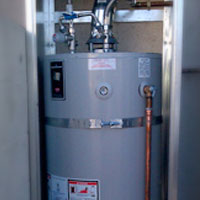
- Water heater: There’s a cold water inlet valve on top — shut this to isolate the heater without affecting the rest of the home.
If any of these valves are seized, corroded, or missing entirely, flag them for your next plumbing service call. A same day plumber Torrance or Seal Beach homeowners can reach quickly is worth having on speed dial for exactly this kind of preventive maintenance.
What to Do in the First 60 Seconds of a Plumbing Emergency
When a pipe bursts or a supply line blows, your brain wants to freeze. Don’t let it. Run through this sequence and you’ll cut your damage dramatically.
- Second 0–15: Get everyone away from standing water, especially near electrical outlets, panels, or appliances. Water and electricity are a lethal combination.
- Second 15–30: Get to your main shutoff valve and close it. Ball valve? Quarter turn. Gate valve? Turn clockwise until it stops.
- Second 30–45: Turn on the lowest faucet in your home — a hose bib outside works great — to drain remaining water pressure from the lines. This reduces the flow still pushing through any damaged section.
- Second 45–60: Call an emergency plumber. Search for a plumber near me Seal Beach or your local area and get someone on the phone immediately. Most good plumbers offer 24/7 emergency lines — use them.
After the immediate crisis is handled, document everything with photos before cleanup begins. Your homeowner’s insurance claim will go smoother with visual evidence of the source and extent of damage.
Don’t assume you need to wait days for a plumber during a crisis. Many local plumbers serving the Seal Beach and South Bay area offer same-day emergency response. The faster a professional assesses the damage, the better your options for repair.
When to Call a Plumber Instead of Handling It Yourself
Shutting off the water is always something you can do yourself. What comes after often isn’t.
Call a licensed plumber immediately if you see any of these situations after shutting off the supply:
- Water is still trickling or flowing even with the main valve closed — this means the valve has failed and needs replacement.
- The burst or leak is on the main supply line itself, between the meter and your home.
- Water has reached electrical panels, outlets, or the circuit breaker box — this becomes an electrical emergency too.
- You can see sewage mixed with the water — this signals a drain or sewer line problem, which carries serious health risks.
- The damaged pipe is behind a wall or under a concrete slab.
A qualified emergency plumber Seal Beach residents can reach around the clock will assess structural damage, reroute lines, and get your water safely restored — usually the same day for straightforward repairs. Don’t attempt to cut into walls or repipe any section yourself unless you’re licensed; improper repairs can void your homeowner’s insurance coverage.
Having a trusted local plumber’s number saved before an emergency is one of the simplest things you can do to protect your home and your wallet. Take five minutes to find one in your area today.
Frequently Asked Questions
Where is the main water shutoff valve in a California house?
In most Southern California homes, the main shutoff valve sits on an exterior wall facing the street, in the garage near where water lines enter, or inside the water meter box at the curb. Warm-climate homes rarely have basement shutoffs, so check exterior walls and the garage first.
What do I do if my main water shutoff valve won’t turn?
Don’t force a stuck valve — you can crack it or snap the stem. Try the shutoff inside the water meter box at the curb instead, using a meter key tool. Then call a licensed plumber to replace the failing main valve before your next emergency.
How quickly can a plumber near me Seal Beach respond to a burst pipe?
Most emergency plumbers serving the Seal Beach area offer 24/7 response and can reach you within one to two hours for active water emergencies. Calling the moment you shut off the water gives you the fastest possible repair timeline.
Can I shut off water to just one toilet or sink without cutting water to the whole house?
Yes — every toilet and sink has its own supply shutoff valve on the line running to it. Turn it clockwise to isolate that fixture. This keeps the rest of your home’s water running while you wait for a plumber.
How much does it cost to replace a main water shutoff valve?
Expect to pay between $150 and $400 for a main shutoff valve replacement in most Southern California markets, depending on valve type and access difficulty. It’s one of the best preventive investments you can make in home protection.
Does homeowner’s insurance cover burst pipe damage in Seal Beach?
Most standard homeowner’s policies cover sudden and accidental water damage from a burst pipe, but they typically exclude damage from long-term leaks or neglect. Document everything with photos before cleanup and file your claim quickly — delays can complicate coverage.
What’s the difference between a gate valve and a ball valve on a water shutoff?
A gate valve has a round wheel handle and requires multiple turns to fully open or close — it’s slower and more prone to failure with age. A ball valve has a lever handle and closes with a single 90-degree turn, making it faster and far more reliable in an emergency.
Need a Plumber in Southern California?
V-Max Plumbing serves Seal Beach, Long Beach, Torrance, Bellflower, and the greater South Bay from our Seal Beach office. We show up on time, fix the problem, and stand behind the work. Call (562) 850-3337 or request a free quote online — we’re available 7 days a week with no after-hours surcharges.